Logo

Archive for the ‘Uncategorized’ Category

Unveiling the Hottest Video Trends: Engaging Audiences in 2023 

In the ever-evolving landscape of digital media, video content continues to dominate as a powerful and engaging medium. As we venture into 2023, exciting video trends have emerged, capturing the attention of audiences, and pushing the boundaries of creativity. In this article, we will explore the hottest video trends that are reshaping the way we consume and interact with video content, from short-form videos to live streaming, interactive experiences, and beyond. 

  • The Reign of Snappy Content: Short-form videos have witnessed a meteoric rise in popularity, led by platforms such as TikTok and Instagram Reels. In 2023, the trend of concise, attention-grabbing videos continues to dominate. Creators are honing their storytelling skills to capture the essence of their message within a limited timeframe, leveraging engaging visuals, captivating hooks, and quick edits to make an impact in just a few seconds. The rise of short-form videos highlights our changing consumption habits, where bite-sized content reigns supreme. 
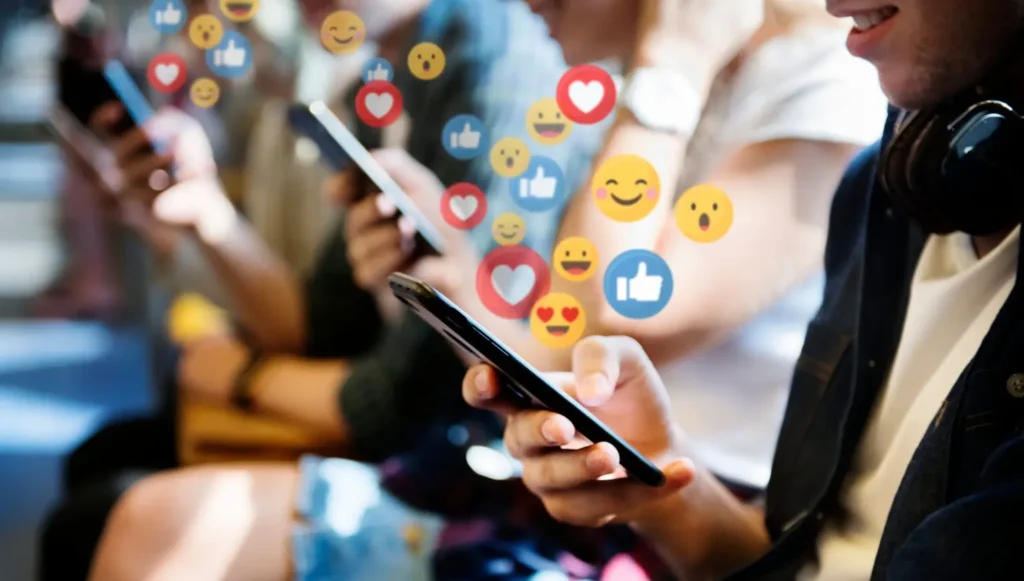
  • Live Streaming: Real-Time Connection and Engagement: Live streaming has become an integral part of the video landscape, enabling real-time connection and engagement between content creators and their audiences. Whether it’s live gaming sessions, Q&A sessions, behind-the-scenes glimpses, or virtual events, live streaming allows for authentic interactions and instant feedback. Viewers can participate through comments, likes, and real-time chat, fostering a sense of community and exclusivity. In 2023, live streaming is expected to continue its upward trajectory, transforming how we experience video content. 
  • Embracing Mobile-First Consumption: As mobile devices become the primary medium for consuming video content, vertical video has gained traction. Vertical formats, optimized for mobile viewing, offer a seamless and immersive experience on smartphones and tablets. Social media platforms like Instagram, Snapchat, and TikTok have embraced vertical video, encouraging creators to produce content specifically tailored to the vertical aspect ratio. In 2023, vertical video will continue to dominate, catering to the habits and preferences of mobile-first audiences. 
  • Authentic and Personalised Storytelling: In an era of authenticity, audiences are drawn to videos that convey real stories, emotions, and personal experiences. Creators are shifting towards a more genuine and relatable approach, sharing behind-the-scenes moments, personal journeys, and unfiltered narratives. This trend emphasizes the power of human connection and resonating with viewers on a deeper level. Authentic and personalized storytelling helps build trust, loyalty, and a sense of belonging within the audience. 

In 2023, video trends continue to shape the way we consume and engage with content. From short-form videos to live streaming, interactive experiences, and a focus on authenticity and social consciousness, these trends reflect the evolving preferences and habits of audiences. As technology advances and creativity flourishes, we can expect video content to continually evolve, offering innovative and immersive experiences that captivate and connect with audiences on a deeper level. 

Harnessing the Power of Video: Boosting Your Brand with Visual Content

In today’s digital landscape, video has become a powerful tool for brands to connect with their audiences and make a lasting impression. Whether it’s through storytelling, demonstrations, or visual appeal, video content can captivate viewers and convey messages in a way that text or images alone cannot. In this, we will explore the numerous benefits of using video to enhance your brand and provide practical tips on how to effectively leverage this dynamic medium. 

  • Engaging Storytelling: Video allows brands to tell compelling stories that resonate with their target audience. By combining visuals, audio, and narrative elements, you can create a captivating storyline that evokes emotions, builds connections, and fosters brand loyalty. Whether it’s a brand origin story, customer testimonials, or behind-the-scenes glimpses, storytelling through video creates an immersive experience that leaves a lasting impact. 
  • Demonstrating Products or Services: Video is an excellent medium for demonstrating the value and benefits of your products or services. By showcasing features, functionality, and use cases, you can effectively communicate how your offerings can solve customers’ problems or fulfil their needs. Whether it’s through product tutorials, demonstrations, or how-to videos, visualising your offerings in action builds credibility, increases understanding, and boosts customer confidence in your brand. 
  • Building Authenticity and Trust: Video provides an opportunity to showcase the human side of your brand, fostering authenticity and building trust with your audience. By featuring real people from your team, sharing behind-the-scenes moments, or highlighting customer success stories, you create a sense of transparency and relatability. Authentic videos help humanise your brand, making it more approachable and trustworthy in the eyes of your audience. 
  • Enhancing Social Media Presence: Video is a vital component of an effective social media strategy. Platforms like Instagram, Facebook, Twitter, LinkedIn and TikTok have prioritised video content, offering features and algorithms that favour video posts. By leveraging video on social media, you can increase engagement, reach a wider audience, and build a strong online presence.  
  • Increasing Website Engagement: Including video on your website can significantly enhance user engagement and dwell time. A visually appealing and informative video on your homepage can grab visitors’ attention and deliver your brand message more effectively than static text or images. Videos embedded within blog posts or product pages can provide additional context, answer frequently asked questions, and encourage visitors to stay on your site longer. Engaging videos can also boost your search engine optimisation (SEO) efforts by increasing time spent on your website and reducing bounce rates. 

Incorporating video into your brand strategy is essential for success in today’s digital landscape. By harnessing the power of video, you can engage your audience, tell compelling stories, build trust, enhance social media presence, increase website engagement, and expand brand reach. Whether you’re a small business or a larger corporation, leveraging video content effectively can help your brand stand out, make meaningful connections, and achieve long-term success in a visually driven world. 

The Impact of TikTok: Transforming Video and Animation  

TikTok, the popular short-form video platform, has taken the world by storm, transforming the way we create, consume, and share video and animation content. With its unique blend of user-generated videos, viral challenges, and creative editing tools, TikTok has reshaped the landscape of digital media. In this article, we will explore the effects of TikTok on video and animation, examining its influence on content creation, storytelling techniques, and audience engagement.

  • Content Creation: TikTok has modernised the process of content creation, allowing anyone with a smartphone to become a creator.
  • Bite-Sized and Fast-Paced Content: TikTok’s format of short, snappy videos has influenced the way video and animation content is produced and consumed. The platform’s time constraints have prompted creators to condense their narratives and visuals into concise, attention-grabbing moments. This trend has led to the rise of micro storytelling, where videos convey engaging stories, emotions, or ideas within a few seconds. As a result, video and animation content has become more concise, focused, and optimised for quick consumption.
  • Collaborative and Remix Culture: TikTok’s unique “duet” and “stitch” features have fostered a culture of collaboration and remixing within the video and animation community. Creators can respond to or build upon existing videos, leading to a chain of creative interpretations and adaptations. 
  • Virality and Algorithmic Discovery: TikTok’s powerful algorithm plays a significant role in the success and exposure of video and animation content. The platform’s recommendation system analyses user preferences, engagement patterns, and behaviour to curate personalised content feeds. This algorithmic discovery has the potential to amplify the reach of video and animation creators, providing opportunities for their work to gain traction and go viral. As a result, TikTok has become a launchpad for talented animators and video creators, propelling them into the spotlight and garnering attention from wider audiences.
  • Reimagining Storytelling Formats: TikTok’s short-form video format has prompted creators to find innovative ways to tell stories within a limited time frame. Animation techniques such as stop motion, motion graphics, and character-driven narratives have been adapted to fit the platform’s requirements. Creators experiment with visual hooks, unexpected transitions, and rapid storytelling techniques to capture the viewer’s attention and make an impact within seconds. This reimagining of storytelling formats has pushed the boundaries of video and animation creation, encouraging fresh approaches to narrative structure and visual storytelling.

TikTok has undeniably had a profound impact on the world of video and animation. It has democratised content creation, inspired new storytelling techniques, and facilitated collaboration and viral success.

Impact Of Technology On The Healthcare Sector

It’s fascinating to be a part of a big shift within an industry, and as an established healthcare tech and creative agency we have been involved in many innovations for medical and health-focused brands. The ever-growing complexity of treatments and an ageing population is constantly driving demand for health services. The industry is having to find effective new ways to rise to the challenge – so what are the key trends?

Healthcare is a huge industry and growing globally every day. There are three core area where technology is shaping the sector:

Better quality care and efficiency

Health technology makes things easier for both patients and practitioners. Self-service technology is available for most GPs and other providers today, allowing patients to book appointments, check in on arrival and updated their personal details. This saves significant time for both staff and patients and allows staff to focus on more complex work. 

The NHS app was launched in December 2018 and is an ambitious innovation. It now has over 22 million users who can access health advice, book appointments, order repeat prescriptions and prove their Covid-19 vaccination status.

Treatment innovations

Data and technology is integral in delivering ground-breaking innovations. The speed of data analytics and the use of AI in identifying patterns and trends is vastly enhancing the understanding of health conditions.

Technology is developing incredible new ideas – such as personalised 3D models of the heart to improve operation success, development of robotic prosthetics and programming AI to read every medical journal ever published.

Access to information

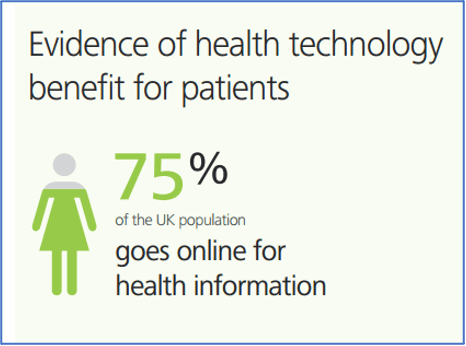
Digital communication can bridge the gap between consumers and clinicians via websites and health apps. More than 75% of the UK population now seek health information online.

Five Reasons Why 60% Of Doctors Value Social Media For Healthcare

Over the years we’ve built a reputation as a healthcare media agency and have developed many product brands and medical websites. This is a fascinating sector and one where the trends are changing rapidly, especially when it comes to social media.

The healthcare industry avoided social media for years because of concerns about confidentiality and personal information. Now, however, healthcare organisations are actively embracing digital channels and social media for awareness, patient engagement and spreading accurate health messaging.

(https://www.merritthawkins.com/three-ways-social-media-has-changed-patient-care/

Here are five important ways that digital and social media can support the healthcare sector…

Learning about health issues

74% of us now use online sources to find health advice – and social media is an excellent channel to share positive information about specific conditions or illnesses. Diabetes UK, for example, has 72,900 followers and shares real life stories and research findings. British Heart Foundation has a similar sized following.

Other patients’ stories

Social media is also a fantastic source of support for like-minded people. Facebook particularly is a popular forum for people to share their experiences of a certain health condition. You can find groups for every health concern imaginable, from alopecia and obsessive-compulsive disorder to Multiple Sclerosis.

These groups present an opportunity for healthcare brands to reach and engage with their audiences – but should never be used as a sales opportunity.

Videos

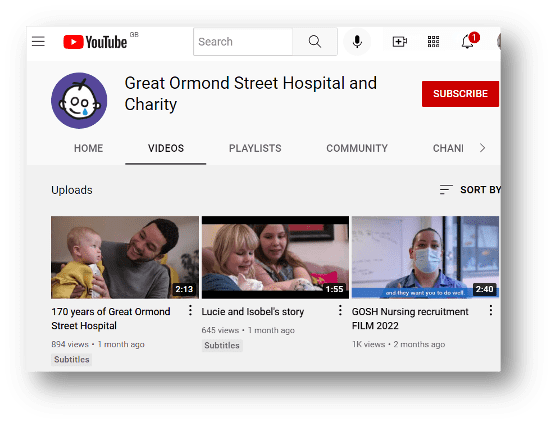
Video is a powerful tool in reassuring and engaging with patients. Great Ormond Street Children’s Hospital has an extensive YouTube channel and one of its most watched videos is a 360 degree tour of the hospital. Video is an excellent way to reassure patients and let them know what to expect.

Reviews

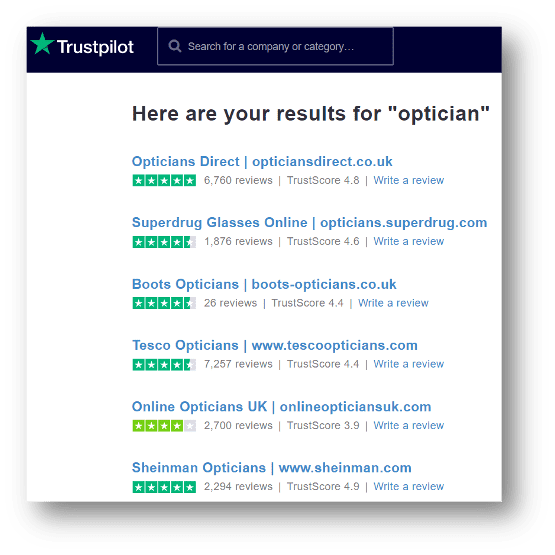
Reviews on social media can influence on patients’ decisions to seek a specific provider. According to one survey, 90% of patients use online reviews to decide on healthcare providers, and 71% use online reviews as the first step to finding a new doctor.

Connecting professionals

Today’s researchers, doctors, nursing professionals, policymakers and most of the healthcare sector have grown up with social media. They are as confident in interacting with each other online as face to face. Teams in all disciplines use social media like Twitter, WhatsApp and Facebook to interact on a daily basis, whether to discuss daily workloads and tasks or follow a new medical breakthrough.

The revolution is just beginning

The whole healthcare industry has undergone a revolution since the COVID-19 pandemic, rapidly embracing the opportunities that digital tools bring in terms of safe consultation with patients, online conferencing and much more. The whole industry is now in a more confident position to find new ways to engage with patients and colleagues, that work for everyone.

Using Statement Typography To Make Your Mark

Statement typography is the use of bold and attention-grabbing fonts in branding and marketing materials. This approach can be a powerful tool for companies looking to differentiate themselves and make a strong impression on their audience.

Here are a few ways that statement typography can benefit a brand:

1.  Increased attention: Statement typography can grab the attention of consumers and stand out in a crowded marketplace. By using bold and attention-grabbing fonts, companies can create marketing materials that are more likely to be noticed and remembered by consumers.

2.  Improved brand image: Statement typography can help to create a strong and memorable brand image. By using unique and distinctive fonts, companies can differentiate themselves from competitors and create a more memorable brand identity.

3.  Enhanced brand personality: Statement typography can help to communicate the personality of a brand. By choosing the right font, companies can create marketing materials that reflect the tone and style of their brand and help to connect with their audience on an emotional level.

4.  Greater flexibility: Statement typography can be more flexible than traditional branding materials. By using bold and attention-grabbing fonts, companies can create marketing materials that are more adaptable to different situations or channels. This can be especially valuable in today’s fast-paced and constantly changing digital landscape.

Overall, statement typography can be a powerful tool for companies looking to differentiate themselves and make a strong impression on their audience. By using bold and attention-grabbing fonts, companies can create marketing materials that are more likely to be noticed and remembered by consumers and enhance their brand image and personality.

Standing out with animated branding

Animated branding can be a powerful tool for companies looking to engage and connect with their audience. Here are a few reasons why animated branding can be beneficial:

1.  Increased attention: Animated branding can grab the attention of consumers and stand out in a crowded marketplace. By using animation, companies can create dynamic and visually striking marketing materials that are more likely to capture the attention of consumers.

2.  Improved brand experience: Animated branding can create a more enjoyable and interactive brand experience for consumers. By using animation, companies can create a more engaging and immersive brand experience that can help to build brand loyalty and positive associations with their products or services.

3.  Greater flexibility: Animated branding can be more flexible than static branding materials. By using animation, companies can create marketing materials that are more dynamic and adaptable to different situations or channels. This can be especially valuable in today’s fast-paced and constantly changing digital landscape.

4.  Greater accessibility: Animated branding can be more accessible to a wider range of consumers. By using animation, companies can create marketing materials that are more visual and less reliant on text or language. This can be especially valuable for companies looking to reach a global audience or for consumers with disabilities.

Overall, animated branding can be a powerful tool for companies looking to engage and connect with their audience. By using animation, companies can create dynamic and visually striking marketing materials that are more likely to capture the attention of consumers and create a more enjoyable and interactive brand experience.

How New Eco Branding Can Build Customer Loyalty

New-eco branding, also known as sustainability branding, refers to the practice of incorporating environmental and social sustainability into a company’s branding and marketing efforts. This approach is designed to appeal to consumers who are increasingly conscious about the impact of their purchasing decisions on the environment and society.

One key benefit of new-eco branding is that it can differentiate a company from its competitors. By demonstrating a commitment to sustainability and social responsibility, a company can stand out in a crowded marketplace and attract consumers who are looking for environmentally and socially conscious products and services.

Build trust with transparency

New-eco branding can also help to build trust with consumers. By being transparent about its sustainability efforts and communicating the positive impact of its products or services on the environment and society, a company can demonstrate its commitment to doing good in the world and create a sense of authenticity that resonates with consumers.

In addition to these benefits, new-eco branding can also have a positive impact on employee morale and retention. By clearly communicating its sustainability efforts and values, a company can create a sense of purpose and meaning for its employees, which can lead to increased job satisfaction and a more positive working environment.

Stay true to your principles

To effectively implement new-eco branding, companies need to be genuine and authentic in their communication of their sustainability efforts. This includes aligning their actions with their words and being transparent about their operations and decision-making processes. It is also important for companies to stay true to their sustainability values over time, rather than simply using them as a marketing tactic.

Overall, new-eco branding is a powerful approach that can help companies to differentiate themselves, build trust with consumers, and create a positive impact on employees. By incorporating sustainability and social responsibility into their branding and marketing efforts, companies can appeal to consumers who are looking for environmentally and socially conscious products and services. This approach can be especially effective in today’s digital age, as consumers are increasingly conscious about the impact of their purchasing decisions on the environment and society. By demonstrating a commitment to sustainability and social responsibility, companies can create a deeper connection with consumers and differentiate themselves in a crowded marketplace.

Do You Remember…? How Nostalgic Branding Brings Back Memories

Nostalgia branding refers to the use of nostalgic elements in marketing and branding efforts. This can include using nostalgic imagery, music, or themes in ads, or reviving old products or brands from the past. Nostalgia branding can be an effective way for companies to tap into consumers’ memories and emotions and create a sense of familiarity and nostalgia for their brand.

One key benefit of nostalgia branding is that it can create a strong emotional connection with consumers. By tapping into nostalgic memories and experiences, companies can create a sense of familiarity and comfort for consumers, which can lead to increased brand loyalty and positive associations with their products or services.

Stand out from the pack

Nostalgia branding can also help to differentiate a company from its competitors. By using nostalgic elements in their branding, companies can create a unique and memorable brand image that stands out in a crowded marketplace.

In addition to these benefits, nostalgia branding can also be an effective way for companies to appeal to a wider audience. By using nostalgia as a marketing tool, companies can appeal to a wide range of consumers, regardless of age or demographic.

Position your brand carefully

To effectively implement nostalgia branding, companies need to be authentic and genuine in their use of nostalgic elements. This includes using nostalgia in a way that is relevant and appropriate for their brand and avoiding the use of nostalgia purely as a marketing gimmick.

Overall, nostalgia branding can be a powerful tool for companies looking to tap into consumers’ emotions and create a strong emotional connection with their brand. By using nostalgic elements in their marketing and branding efforts, companies can differentiate themselves from competitors, create a memorable brand image, and appeal to a wide range of consumers.

What Is Mission-First Branding – And Could It Work For You?

Mission first branding, also known as purpose-driven branding, is a powerful approach that involves aligning a company’s brand identity and marketing efforts with its mission and values. This approach places a strong emphasis on authenticity and purpose and is designed to create a deeper connection with consumers by positioning the company as more than just a provider of products or services. By prioritizing mission first branding, companies can differentiate themselves from competitors, build trust with consumers, and create a positive impact on employee morale and retention.

Set out your purpose

One key benefit of mission first branding is that it helps to differentiate a company from its competitors. By clearly communicating its values and purpose, a company can stand out in a crowded marketplace and attract consumers who are looking for products and services that align with their own values. This can be especially important in the digital age, as consumers are increasingly looking for brands that align with their own values and beliefs.

Mission first branding can also help to build trust with consumers. By being transparent about its values and purpose, a company can demonstrate its commitment to doing good in the world and create a sense of authenticity that resonates with consumers. This can lead to increased customer loyalty and positive word-of-mouth marketing, which are important factors in driving brand success.

Authenticity is crucial

To effectively implement mission first branding, companies need to be authentic and genuine in their communication of their values and purpose. This includes aligning their actions with their words and being transparent about their operations and decision-making processes. It is also important for companies to stay true to their mission and values over time, rather than simply using them as a marketing tactic.

Overall, mission first branding is a powerful approach that can help companies to differentiate themselves, build trust with consumers, and create a positive impact on employees. By aligning their branding efforts with their mission and values, companies can create a deeper connection with consumers and demonstrate their commitment to doing good in the world. This approach can be especially effective in the digital age, as consumers are increasingly looking for brands that align with their own values and beliefs.